
Table of Contents
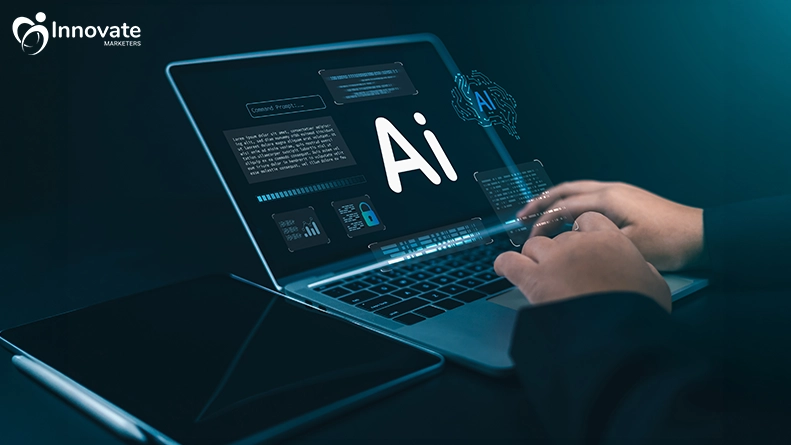
ToggleSummary: Generative AI product descriptions help online stores improve search rankings, increase customer engagement, and streamline content creation. Businesses working with an e-commerce SEO agency often use AI-driven content strategies to create optimized product pages that support higher visibility, better user experience, and stronger conversions.
Product descriptions can affect the results on search engines and buying decisions. Search engines consider several ranking criteria for product pages, such as quality of content, relevance to the keywords, engagement with users, and uniqueness. Generic or duplicated descriptions weaken visibility and reduce trust.
When thousands of products are included in a business portfolio, AI-powered product descriptions offer streamlined consistency while also enhancing the depth of product content. Advanced AI tools use search trend analysis, customer intent analysis, and semantic relevance to create optimized descriptions that are optimized towards user search queries.
Brands that focus on detailed product information often experience stronger click-through rates and longer session durations. These engagement signals contribute to improved organic performance.
How Generative AI Enhances Product Content?
Generative AI takes raw data through a massive volume of information to produce content that mirrors customer patterns, new trends in their search keywords, and customer intent. AI platforms produce descriptions that suit a brand's tone and boost readability and SEO organization.
AI tools save businesses time and effort and hasten product launches. Teams do not waste time writing boring product descriptions and will have more time to focus on strategy and customer experience.
Numerous e-commerce brands work with an SEO service provider to harmonize their AI-generated material according to technical SEO benchmarks and conversion target setting. The longer you optimize, the more pages you get, higher rankings, and indexes.

Improved Keyword Relevance
AI tools can sift through the data and determine which keywords work best for the products and include them. This process aids in semantic SEO and enables search engines to comprehend product relevance better.
Optimized descriptions help to improve long-tail, voice, and shopping search visibility. AI can also identify contextual phrases to add to the content to build topical authority, while avoiding the need to include keywords in an unnatural way.
Faster Content Scalability
Large e-commerce stores often struggle to maintain unique descriptions across extensive product catalogs. With AI, it becomes easier to achieve this as it produces scalable content while maintaining consistency.
Seasonal collections and expanded product categories are able to be shifted quicker to retailers. AI-generated descriptions enable fast ingredient browsing & searching indexing and increased searchability for new ingredients.
The Connection Between AI Content and Sales
A good product description leads to consumer trust and their decisions to buy products. Clearly, readability, personalization, and clarity have an impact on conversions, and AI-generated content helps them in this regard.
It is preferable to make sure your description addresses the test taker's questions in an easy-to-understand way. Customer reviews, search trends, and buying behaviors are analyzed by AI tools to generate content that resonates with the expectations of customers.
Detailed descriptions of the items are also user-engaging. Personalized messaging with everyone's intent, demographic, or shopping behavior is done more through the use of AI, resulting in a more relevant user experience.
Businesses partnering with an SEO company in Columbus often integrate AI-driven personalization into product pages to improve engagement metrics and reduce bounce rates.
Potential Risks of AI-Generated Product Descriptions
The benefits of AI-generated content are its efficiency, but there's a need for human oversight. The search engines tend to favor content that is helpful, accurate, and trustworthy. The AI-generated descriptions might generate repetitive text or give incorrect information if not properly edited.
Brands should ensure the copy created by AI contains none of the following:
- Brand consistency.
- Product accuracy.
- Natural readability.
- Keyword balance.
- Customer relevance.
There are human editors to maintain the authenticity of the copy, and it is aligned with customer expectations.
Best Practices for Using Generative AI in E-Commerce SEO
Maintain Human Oversight
Strategic editing is important to ensure the quality and originality of the content produced by AI. AI-generated content needs to be edited to ensure that it maintains the tone and sentiment of a brand.
Focus on Search Intent
A good product description is one that will respond directly to the questions of a customer. Clear prompts and SEO direction, based on users' intent, are key in enabling AI tools to do their job better.
Avoid Keyword Stuffing
The use of more keywords is not a good practice to strengthen the description; it helps build user confidence less. When working on AI-generated content, it's important to ensure it is clear and incorporates the right keywords.
Optimize for Voice and Visual Search
Voice commerce & visual search continue to drive online shopping habits. Descriptions created by AI should feature ‘conversational' language and product descriptions for a wide variety of products, depending on the technical development of search.

Conclusion
Generative AI product descriptions improve rankings, streamline content production, and strengthen customer engagement when implemented strategically. Businesses seeking scalable growth often partner with an e-commerce SEO agency or a white label SEO firm to align AI-generated content with long-term SEO objectives.
Innovate Marketers helps brands create optimized e-commerce experiences that support visibility, conversions, and sustainable digital growth.
FAQs
1. How do AI product descriptions improve SEO rankings?
The generation of AI product descriptions makes it more relevant, semantically optimized, and engaging to the user, thus enhancing search visibility and indexing effectiveness.
2. Do AI-generated descriptions affect conversion rates?
Yes. Descriptions can be improved using AI to be readable, more personal, and clear, thereby assisting customers to purchase more quickly.
3. Should businesses edit AI-generated content?
Yes. It enhances accuracy, ensures consistency across brands, and makes content more customer relevant, all the while minimizing repetitive wording, which can be done through human review.
4. Can AI-generated content support large e-commerce stores?
Yes. Businesses can produce a large catalog of high-quality product descriptions at a swifter pace and more efficiently with AI.
5. Why do brands partner with an SEO agency for AI content strategies?
An e-commerce SEO agency and white label SEO firm assist organizations attain alignment amongst AI-generated material and technical, search intent, and conversion strategies.
Interesting Reads:
Common Misconceptions About White Label SEO Introduction
How AI and Search Algorithms Are Changing E-commerce SEO Strategies
Rachel Roberts is an SEO Specialist at Innovate Marketers with 7+ years of experience, focused on data-driven strategies that improve search visibility and organic growth. She specializes in on-page SEO, technical optimization, keyword research, and content strategy to help businesses achieve sustainable rankings and measurable digital success.
About us and this blog
We are a digital marketing company with a focus on helping our customers achieve great results across several key areas.
Request a free quote
We offer professional SEO services that help websites increase their organic search score drastically in order to compete for the highest rankings even when it comes to highly competitive keywords.
Subscribe to our newsletter!
More from our blog
See all posts